![DENSO O2 LAMBDA SENSOR | FOR HONDA S2000 AP1 01-06 F20C [PRIMARY PRE-CAT SENSOR]](https://img.shoprhdperformance.shop/images/product/denso-o2-lambda-sensor-for-honda-s2000-ap1-01-06-f20c-primary-pre-cat-sensor-1.png)
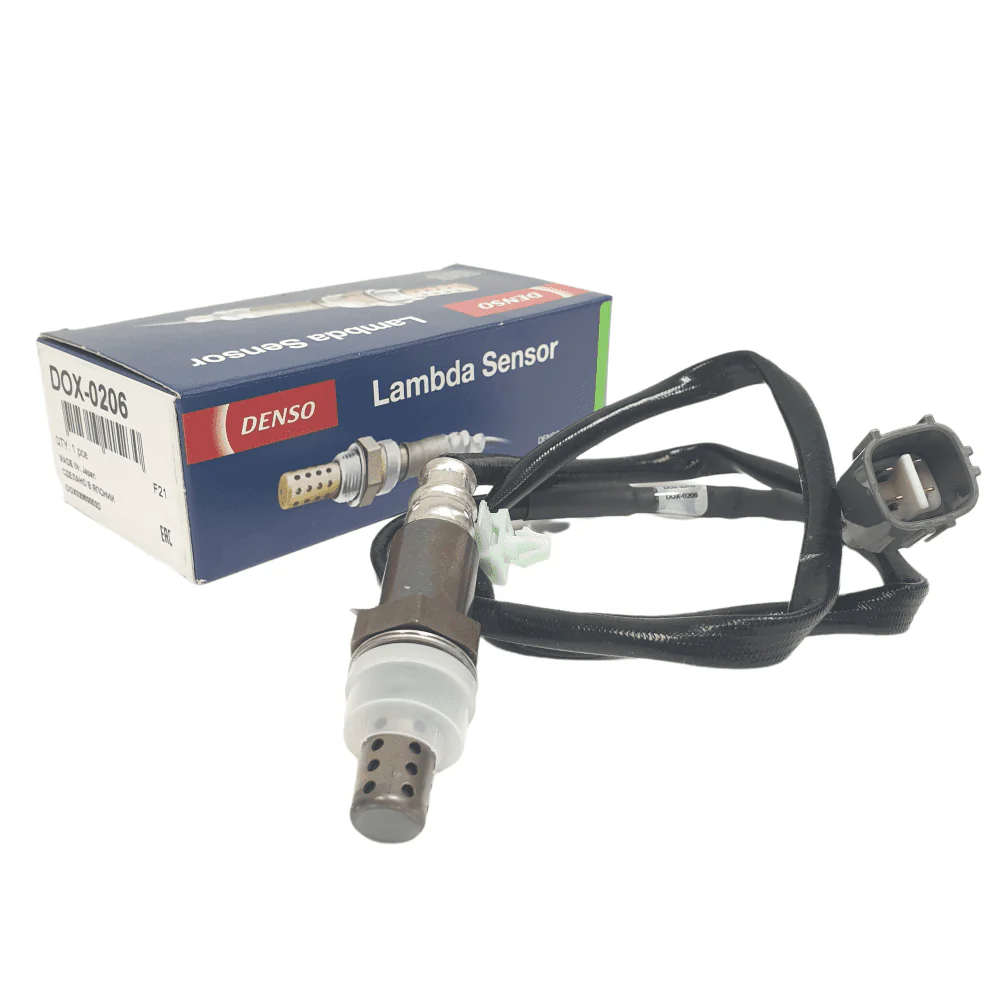
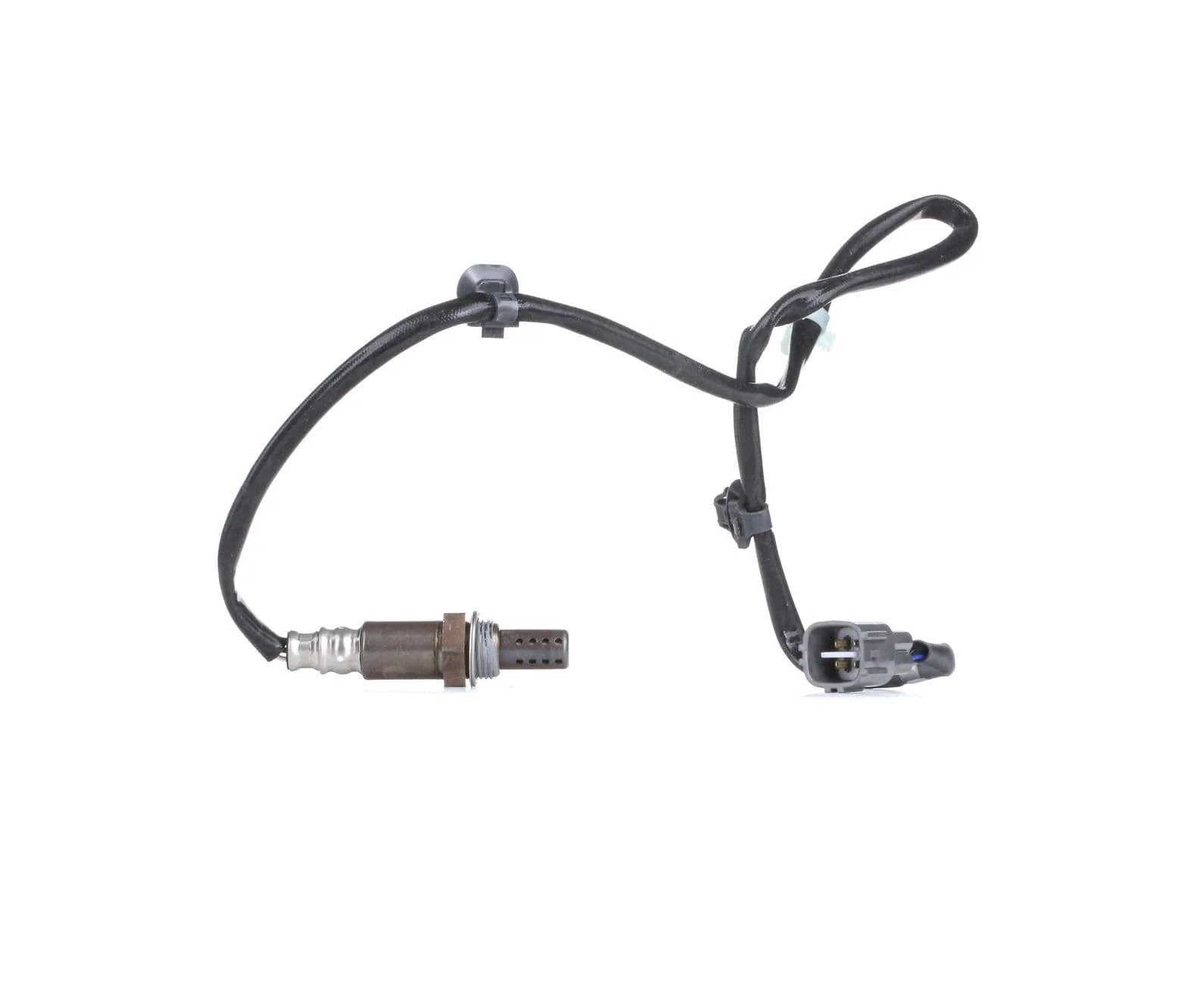
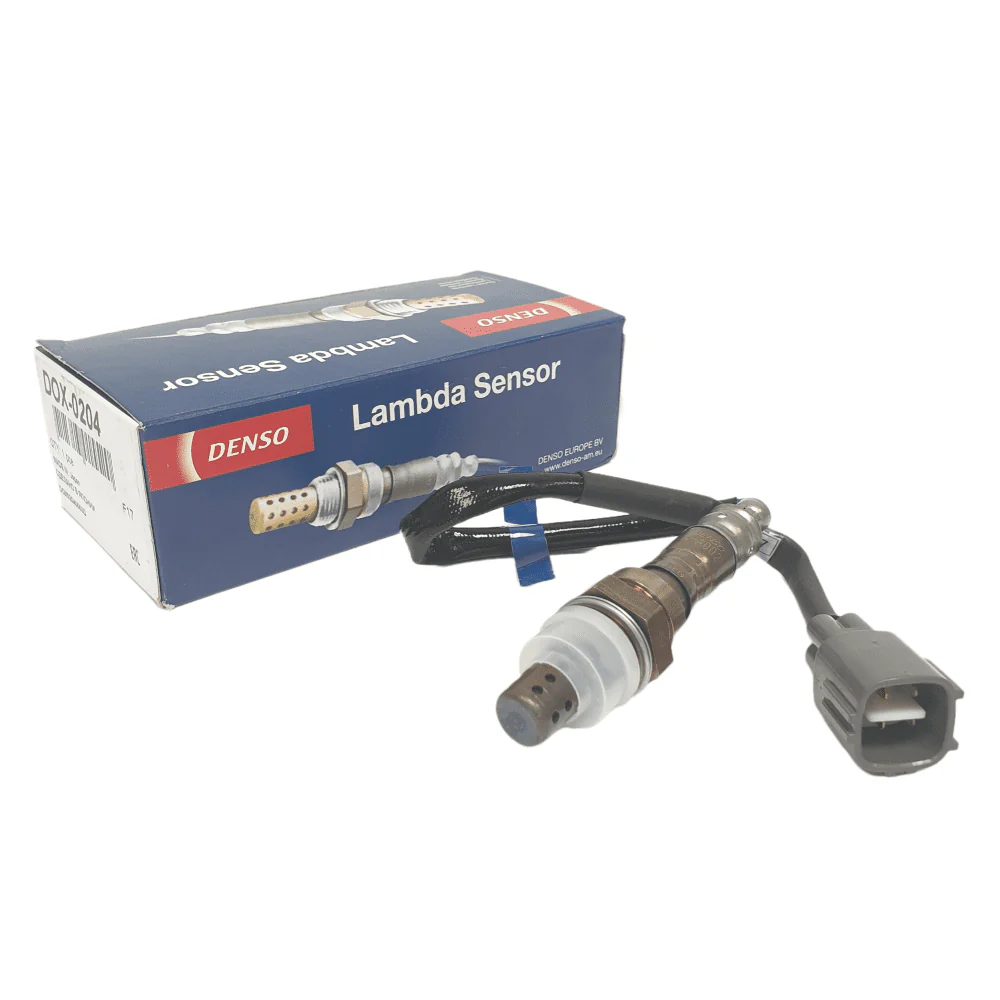
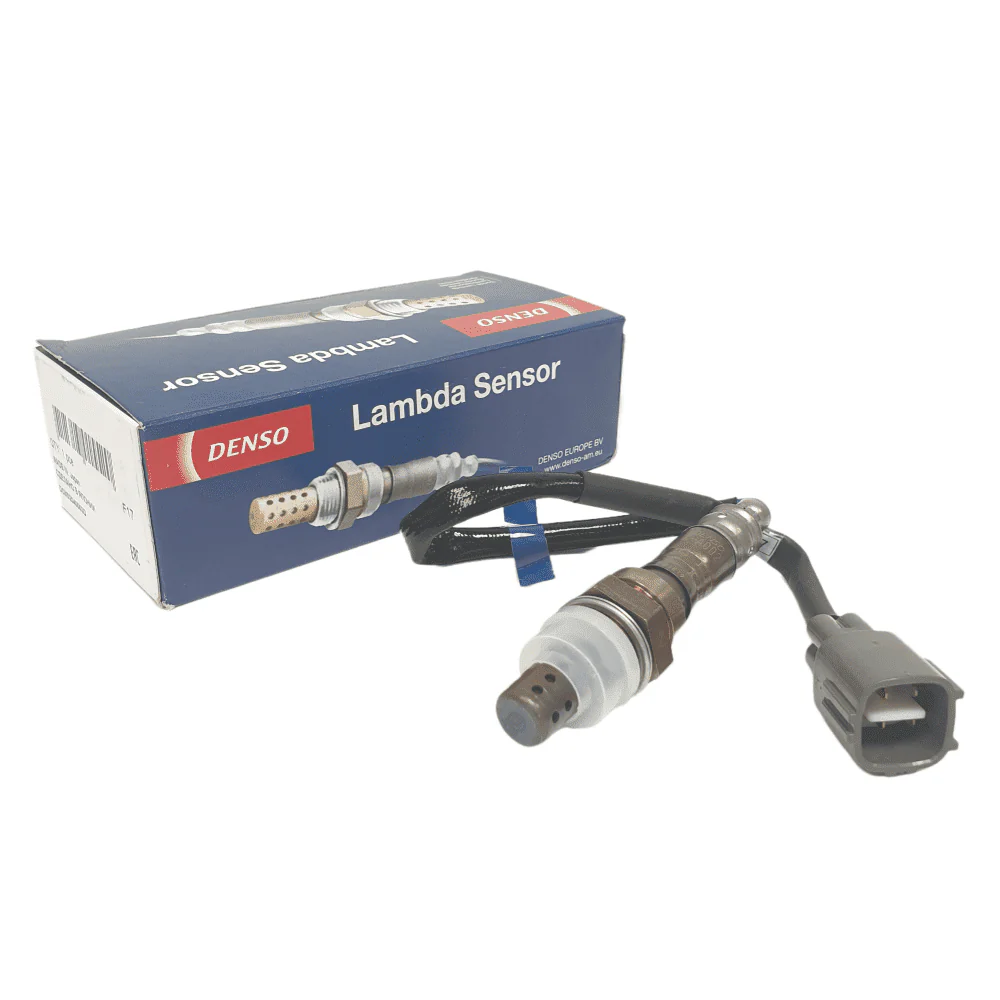
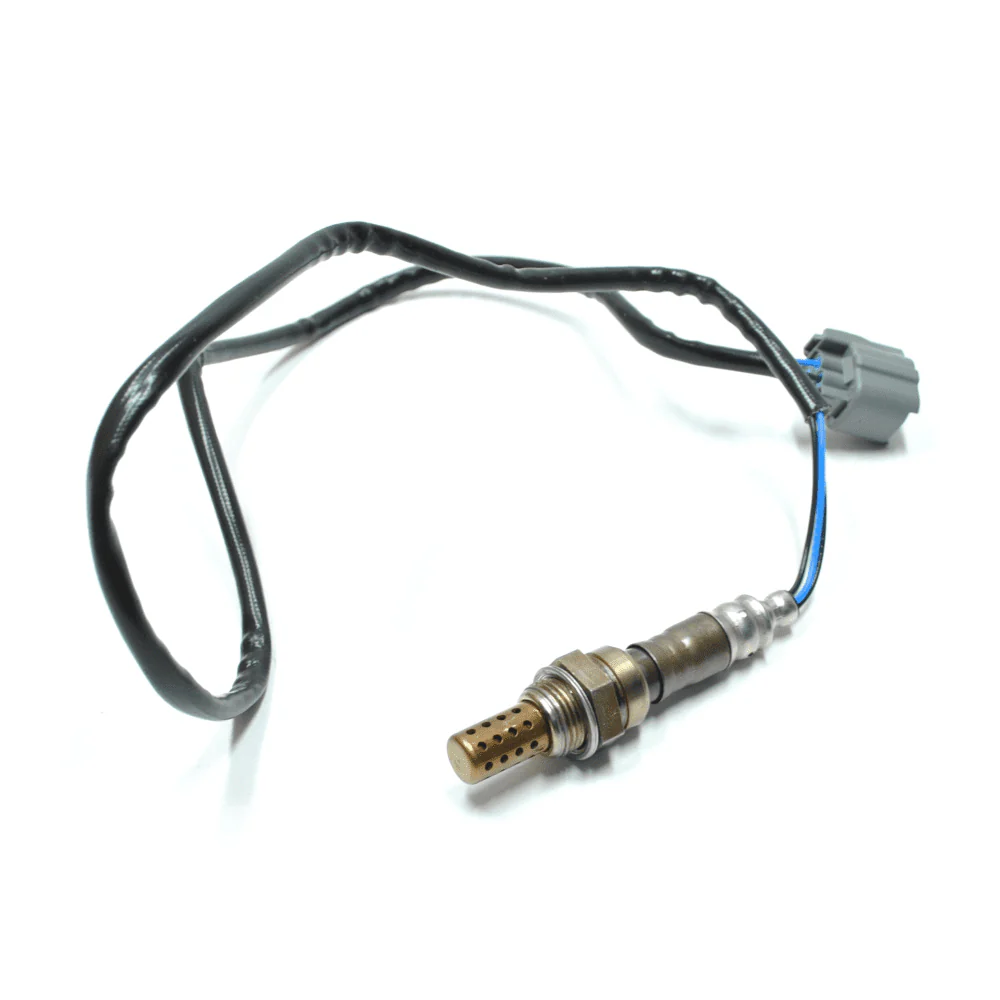
DENSO O2 LAMBDA SENSOR | FOR HONDA S2000 AP1 01-06 F20C [PRIMARY PRE-CAT SENSOR]
This Denso O2 Sensor is a replacement for Honda Part numbers 36531-PCX-004 or 36531-PCX-014. This sensor is not a replacement for 36531-PZX-013 which is found on later specification vehicles.
The air-fuel mixture in an engines combustion chamber can affect how hot, how quickly and how cleanly the fuel burns. For optimum combustion, the air-to-fuel ratio needs to be within a certain window. For specific driving conditions, the engine may run in sub-optimal conditions. For example, to be more fuel efficient, the engine may run on a lean mixture. In contrast, to deliver high power performance, the A/F mixture needs to be rich. Such specific mixtures cannot be maintained for a long period of time without risking excessive emissions or even causing damage to the engine or the catalytic converter.
Lambda sensors work constantly to keep the air-fuel ratio correct by monitoring the quantity of unburned oxygen in the exhaust gases and feeding this information back to the electronic control unit (ECU), which can then dynamically adjust the air-fuel mixture to keep it close to the stoichiometric point the ideal ratio at which the catalytic converter will function optimally and keep emissions to a minimum.
Lambda sensors can in fact fulfil two roles: regulating sensors, placed before the catalytic converter, and diagnostic sensors, fitted after the catalyst as an extra layer of security to ensure the converter is doing its job.
Original: $91.04
-65%$91.04
$31.86DENSO O2 LAMBDA SENSOR | FOR HONDA S2000 AP1 01-06 F20C [PRIMARY PRE-CAT SENSOR]
This Denso O2 Sensor is a replacement for Honda Part numbers 36531-PCX-004 or 36531-PCX-014. This sensor is not a replacement for 36531-PZX-013 which is found on later specification vehicles.
The air-fuel mixture in an engines combustion chamber can affect how hot, how quickly and how cleanly the fuel burns. For optimum combustion, the air-to-fuel ratio needs to be within a certain window. For specific driving conditions, the engine may run in sub-optimal conditions. For example, to be more fuel efficient, the engine may run on a lean mixture. In contrast, to deliver high power performance, the A/F mixture needs to be rich. Such specific mixtures cannot be maintained for a long period of time without risking excessive emissions or even causing damage to the engine or the catalytic converter.
Lambda sensors work constantly to keep the air-fuel ratio correct by monitoring the quantity of unburned oxygen in the exhaust gases and feeding this information back to the electronic control unit (ECU), which can then dynamically adjust the air-fuel mixture to keep it close to the stoichiometric point the ideal ratio at which the catalytic converter will function optimally and keep emissions to a minimum.
Lambda sensors can in fact fulfil two roles: regulating sensors, placed before the catalytic converter, and diagnostic sensors, fitted after the catalyst as an extra layer of security to ensure the converter is doing its job.
Product Information
Product Information
Shipping & Returns
Shipping & Returns
Description
This Denso O2 Sensor is a replacement for Honda Part numbers 36531-PCX-004 or 36531-PCX-014. This sensor is not a replacement for 36531-PZX-013 which is found on later specification vehicles.
The air-fuel mixture in an engines combustion chamber can affect how hot, how quickly and how cleanly the fuel burns. For optimum combustion, the air-to-fuel ratio needs to be within a certain window. For specific driving conditions, the engine may run in sub-optimal conditions. For example, to be more fuel efficient, the engine may run on a lean mixture. In contrast, to deliver high power performance, the A/F mixture needs to be rich. Such specific mixtures cannot be maintained for a long period of time without risking excessive emissions or even causing damage to the engine or the catalytic converter.
Lambda sensors work constantly to keep the air-fuel ratio correct by monitoring the quantity of unburned oxygen in the exhaust gases and feeding this information back to the electronic control unit (ECU), which can then dynamically adjust the air-fuel mixture to keep it close to the stoichiometric point the ideal ratio at which the catalytic converter will function optimally and keep emissions to a minimum.
Lambda sensors can in fact fulfil two roles: regulating sensors, placed before the catalytic converter, and diagnostic sensors, fitted after the catalyst as an extra layer of security to ensure the converter is doing its job.